
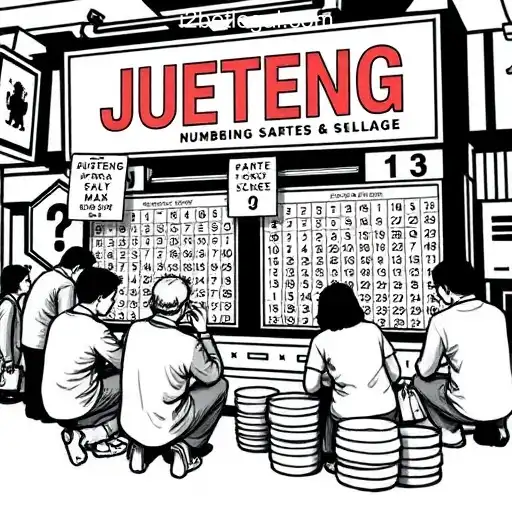
i2BET A Plataforma de Apostas #1 do Brasil | Understanding Jueteng: A Closer Look at the Game and Its Implications
An in-depth exploration of Jueteng, its cultural significance, socio-economic impacts, and its relationship with modern betting platforms like i2BET A Plataforma de Apostas #1 do Brasil. de i2BET A Plataforma de Apostas #1 do Brasil
Understanding Jueteng: A Closer Look at the Game and Its Implications
Jueteng is a popular numbers game in the Philippines that has been part of the country's cultural fabric for many decades. This betting game has persisted through generations despite its illegal status, becoming a complex socio-economic issue rather than just a simple pastime. Its relevance today can also be examined through the lens of modern betting platforms, such as i2BET A Plataforma de Apostas #1 do Brasil, reflecting the ongoing evolution of the gaming and betting culture worldwide.
The Origins and Mechanics of Jueteng
The term Jueteng is derived from two Chinese words: "hue" which means flower, and "teng," which translates to bet. The game involves a simple lottery-like mechanism where bettors choose a sequence of numbers and await the results of a random draw. Originally played in the provinces of the Philippines, Jueteng has grown in popularity, drawing participants across various socio-economic backgrounds due to its simplicity and accessibility.
Socio-Economic Impacts of Jueteng
Despite its illegal status, Jueteng offers a fascinating glimpse into socioeconomic dynamics within Filipino society. For many, it represents a chance for luck to change their financial circumstances, however modestly. This allure is particularly strong in impoverished areas, where financial opportunities are limited.
On the flip side, Jueteng has been criticized for perpetuating poverty and being a tool for corrupt practices. The illegal nature of the game means winnings are untaxed, and operators often elude legal repercussions thanks to bribes and corruption within local governments. These activities contribute to a cycle of poverty and corruption, which hampers the country's economic progress.
Jueteng and the Political Climate
The game is intricately linked with Filipino politics, as it often involves high-profile figures who wield significant influence. Many local politicians have been implicated in scandals related to Jueteng operations, showcasing a complex web of power that protects illegal gambling activities. This connection to politics has hindered effective law enforcement against such games, indicating a need for reform not just in gambling regulations, but in political accountability as well.
The Modern Evolution of Betting Culture
As the world moves toward digital transformation, the betting culture has evolved significantly, as exemplified by platforms like i2BET A Plataforma de Apostas #1 do Brasil. These platforms offer a legal, regulated environment for betting, providing alternative avenues for people drawn to gambling. By offering more transparency, responsibility, and wider opportunities, these platforms highlight a shift towards a more organized and socially acceptable form of gambling.
Jueteng, by comparison, lacks the structural benefits of modern platforms. While platforms like i2BET cater to a wide range of international audiences with legally compliant features, Jueteng remains mired in legal ambiguity and socio-political challenges.
A Digital Future for Traditional Games?
With technological advancements, there is potential for traditional games like Jueteng to transition into legal, digital formats. This could propel them into a framework similar to i2BET A Plataforma de Apostas #1 do Brasil, enhancing not only legal compliance but also opening revenue streams through taxation and regulation. Such a move could curb corruption and aid community development by funneling a portion of the proceeds into beneficial programs.
The idea of modernizing traditional games is not without challenges. The entrenched interests of operators and existing illegal networks pose significant obstacles to such transformations. However, the potential benefits in economic growth and social welfare make it an endeavor worth considering.
Conclusion
Understanding Jueteng requires an appreciation of its historical context, cultural significance, and the socio-economic realities it represents. As betting cultures continue to evolve on platforms like i2BET, enabling a global shift in gambling perceptions, the question remains whether traditional games like Jueteng can find a place in this changing landscape. Addressing these complexities could pave the way for better regulatory practices, economic opportunities, and a more equitable society.
